Best Teas for Allergies and How They May Help
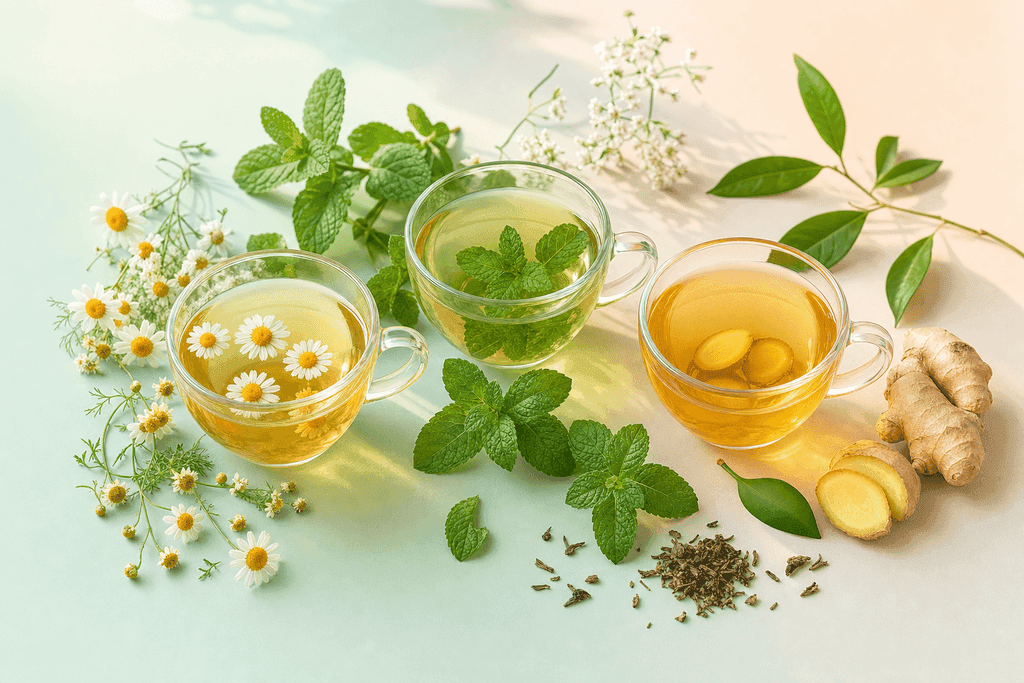
You have tried every over-the-counter antihistamine, avoided going outside during peak pollen hours, and still wake up with itchy eyes and a foggy head that lasts all day. Most allergy advice treats everyone the same, but Chinese Herbal Medicine recognizes that your body's reaction to pollen or dust depends on deeper patterns that vary from person to person. The right tea for allergies works differently depending on whether your body is running too hot, holding onto dampness, or simply lacking the resources to keep environmental triggers out.
How Chinese Medicine Views Allergies
When you sneeze around pollen or get itchy eyes near cats, Western medicine sees an overactive immune system attacking harmless stuff. Chinese medicine looks at it differently. Instead of focusing just on the allergen, traditional practitioners examine the whole pattern of what's happening in your body. They want to know why your body can't handle these triggers when other people walk right past the same tree without a single sniffle. The answer usually comes down to something called wei qi, which is basically your body's protective shield against outside invaders.
Wei Qi: Your Body's Defense System
Think of wei qi like a force field that sits just under your skin and in your airways. When it's strong, pollen and dust and pet dander just bounce right off. When it's weak, these things slip through and cause all those annoying symptoms. Wei qi gets weaker when you're tired, stressed, or run down, which is why some people notice their allergies get worse during busy times.
Several factors can drain your wei qi over time:
Not getting enough sleep or rest
Eating foods that don't agree with your body
Chronic stress or worry
Recovering from illness or surgery
Patterns Behind Allergy Symptoms
Chinese medicine doesn't just see "allergies" as one thing. Practitioners look for specific patterns that explain why your symptoms show up the way they do. Two people with runny noses might need completely different treatments because the root cause is different. One person might have too much heat building up, while another has dampness clogging their system.
Common patterns that show up with allergies include:
Heat patterns with red, itchy eyes and yellow mucus
Dampness patterns with heavy congestion and brain fog
Deficiency patterns with pale face and constant fatigue
Wind patterns with symptoms that come and go suddenly
Organ Connections to Allergy Symptoms
In Chinese medicine, your organs do more than their basic jobs. The Lung system controls your skin and breathing passages, which is why skin rashes and respiratory allergies often go together. The Spleen system manages how your body processes moisture, so when it's not working right, you get that thick, sticky mucus that won't go away. At Jadewell, our Signature Formula looks at these organ system connections to match you with herbs that address your specific pattern.
Here's how different organ systems relate to common allergy symptoms:
Organ System | Related Symptoms | Common Pattern |
|---|---|---|
Lung | Sneezing, runny nose | Wei qi deficiency |
Spleen | Thick mucus, fatigue | Dampness |
Kidney | Chronic weakness | Deep deficiency |
Liver | Itchy eyes, irritability | Heat rising |
This pattern-based approach explains why drinking tea for allergies works differently for different people. The same cup of tea might calm one person's symptoms while doing nothing for someone else, all because their underlying patterns are different.
Teas That Address Heat and Inflammation Patterns
When your eyes feel like they're on fire and your sinuses are producing thick yellow mucus, you're likely dealing with what Chinese Herbal Medicine calls a heat pattern. This isn't about your body temperature being high, though you might feel warmer than usual. Heat patterns show up when allergies trigger inflammation that creates specific signs your body is trying to cool itself down. Red, itchy eyes are one of the most common heat signs, along with a flushed face, feeling irritable, and that yellow or greenish discharge that tells you something is inflamed.
Chrysanthemum tea has been used for centuries specifically for eye symptoms that come with heat. The flower is naturally cooling and has an affinity for the upper body, particularly the eyes and head. You steep the dried flowers in hot water for about five minutes, and the resulting tea has a mild, slightly sweet taste that most people find pleasant.
Heat Pattern Sign | Recommended Tea | Preparation |
|---|---|---|
Red, itchy eyes | Chrysanthemum | 5-10 flowers, 5 min steep |
Sinus heat, yellow mucus | Peppermint | 1 tsp dried, 3-5 min steep |
General inflammation | Green tea | 1 tsp leaves, 2-3 min steep |
Peppermint tea works differently by clearing heat from the upper body and opening the sinuses. It's particularly helpful when you feel congested but the mucus is hot and thick rather than cold and watery. The menthol creates a cooling sensation that isn't just in your head. It actually helps disperse heat that's stuck in your nasal passages and throat.
Green tea contains compounds called catechins that researchers have studied for their effects on histamine response. But here's what matters more from a Chinese Herbal Medicine perspective: green tea is slightly cooling and helps clear heat without being too harsh on your digestive system. The key is not steeping it too long or too hot, which can make it bitter and actually create more heat in your body.
These cooling teas work best when heat signs are actually present. If your allergies show up with clear, watery discharge and you feel cold rather than hot, these teas might make you feel worse. Pattern recognition matters more than just picking any tea for allergies.
Teas for Dampness and Congestion Patterns
Dampness is harder to recognize than heat because it doesn't create obvious signs like redness or feeling hot. Instead, you feel heavy, like you're moving through mud. Your head feels foggy, your sinuses are full of thick mucus that won't drain, and you might notice your digestion feels sluggish at the same time your allergies flare. This pattern often gets worse in humid weather or after eating foods like dairy, fried foods, or anything cold and raw. The mucus in dampness patterns is typically white or clear, thick and sticky rather than thin and runny.
Ginger tea is one of the most effective options for transforming dampness because it warms your digestive system while helping your body process excess moisture. In Chinese Herbal Medicine, the spleen is responsible for managing fluid metabolism, and dampness often indicates the spleen needs support. Fresh ginger is stronger than dried, and you only need a few slices steeped in hot water for ten minutes.
Thick, white or clear mucus that's hard to expel
Feeling of heaviness in your head or body
Digestive bloating or loose stools alongside allergies
Symptoms worse in humid weather or after cold foods
Coating on your tongue that looks white or greasy
Oolong tea sits between green and black tea in terms of oxidation, and it has a unique ability to support your body's metabolism of moisture. It's not as cooling as green tea but not as warming as black tea, which makes it useful when you have dampness without strong heat or cold signs. The tea helps move stagnant fluids without drying you out too much.
Pattern Type | Mucus Quality | Body Sensation | Best Tea |
|---|---|---|---|
Dampness | Thick, white, sticky | Heavy, foggy | Ginger, Oolong |
Heat | Yellow, thick | Hot, irritable | Chrysanthemum, Peppermint |
Citrus peel, called chen pi in Chinese Herbal Medicine, is traditionally used to move stagnant dampness and support digestion. You can find it dried in Chinese grocery stores or herbal shops. The peel helps regulate qi in your digestive system, which indirectly supports your body's ability to manage the dampness that's contributing to your allergy symptoms. It has a pleasant, aromatic quality that combines well with other teas.
Teas That Support Deficiency Patterns
Some people get allergies not because they have too much heat or dampness, but because their body lacks the resources to maintain strong boundaries. If you catch every cold that goes around, feel exhausted most of the time, have a pale complexion, and your allergies seem to get worse when you're run down, you might be dealing with an underlying deficiency pattern. This is different from acute allergy symptoms. The solution isn't to clear something out but to build something up over time.
Astragalus root tea is used in Chinese Herbal Medicine to tonify what's called wei qi, which you can think of as your body's defensive layer. This isn't a quick fix. Astragalus works preventatively when taken consistently over weeks or months, helping your body develop stronger resistance to allergens. The root has a mild, slightly sweet taste and is generally safe for long-term use, though you should avoid it during acute infections.
Building underlying strength is fundamentally different from addressing symptoms as they happen. Reishi mushroom tea supports your body's adaptive response to stress, which matters because chronic stress depletes the resources your immune system needs to function properly. Research on medicinal mushrooms shows they contain compounds that may influence immune regulation, though traditional use focuses more on their ability to calm the spirit and support long-term vitality.
Frequent colds and infections beyond just allergies
Fatigue that doesn't improve with rest
Pale face and tongue
Allergies worse when stressed or run down
Weak voice or shortness of breath
Nettle tea has been used traditionally for seasonal support and provides minerals that many people lack. It's not as warming as astragalus or as calming as reishi, but it offers nutritive support that can help when allergies stem from general depletion. The key with all deficiency patterns is patience. You're not suppressing symptoms but rather giving your body what it needs to regulate itself better.
At Jadewell, our Signature Formula approach looks at these exact patterns through a detailed quiz reviewed by licensed herbalists. Instead of just picking a tea for allergies, we match classical herbal formulas to your specific combination of symptoms, whether that's heat, dampness, deficiency, or something more complex. The formulas are more comprehensive than single teas and adjust to your changing patterns over time, but understanding these basic concepts helps you recognize what your body is showing you.
Why Pattern Matching Matters More Than Symptoms
Most people reach for the same tea for allergies when their nose starts running, but this one-size-fits-all approach often misses the mark. Two people with identical sneezing fits might need completely opposite remedies based on what's happening inside their bodies. The difference lies in understanding patterns, not just treating surface-level symptoms. This is where Chinese Herbal Medicine takes a fundamentally different path than conventional allergy treatments that assume all runny noses are created equal.
When the Wrong Tea Makes Things Worse
Drinking cooling teas like peppermint or chrysanthemum might sound refreshing when you're dealing with allergies. But if your body is already running cold or deficient, these teas can actually make you feel worse. The same goes in reverse for warming teas.
Cooling teas reduce inflammation but can worsen fatigue and chills in deficiency patterns
Warming teas help with mucus but can aggravate heat patterns with red eyes and irritation
Single-ingredient teas lack the balance needed to address multiple pattern imbalances at once
Without knowing your pattern, you're essentially guessing which tea might help
How Different Patterns Need Different Approaches
Symptom | Heat Pattern Needs | Dampness Pattern Needs | Deficiency Pattern Needs |
|---|---|---|---|
Runny Nose | Cooling, clearing herbs | Drying, draining herbs | Tonifying, warming herbs |
Sneezing | Anti-inflammatory support | Moisture regulation | Immune strengthening |
Itchy Eyes | Heat-clearing formulas | Dampness-resolving blends | Nourishing remedies |
This is why comprehensive herbal formulas work better than single teas. Chinese Herbal Medicine combines multiple herbs to address the complex patterns behind your symptoms. Jadewell's approach starts with a detailed assessment to identify your specific pattern, then matches you with formulas designed for that exact imbalance.
Beyond Simple Symptom Relief
While simple teas can provide temporary comfort, they don't address the underlying pattern causing your allergies. A proper formula considers your entire symptom picture, energy levels, digestive health, and even sleep quality.
Pattern-based formulas address root causes instead of masking symptoms
Multi-herb combinations balance each other to prevent side effects
Licensed herbalists adjust formulas as your pattern shifts over time
The difference between drinking a single tea and using a pattern-matched formula is like the difference between putting a bandage on a wound versus actually healing it. Our Signature Formula uses this pattern-matching approach to create personalized blends that work with your body's specific needs, not against them.
Finding What Actually Matches Your Pattern
Tea for allergies can offer real support when you pick the right one for your body. But here's what most articles won't tell you: a single herb works best when it actually matches what's happening in your system. If you have heat signs like red eyes and thick yellow mucus, cooling mint makes sense. If you're dealing with cold signs like clear watery discharge and feeling chilly, warming ginger is a better fit. The pattern matters more than the symptom label.
Most allergy patterns are more complex than one ingredient can address. You might have some heat signs mixed with dampness, or wind-cold on the outside with heat building inside. This is where comprehensive formulas become necessary, because they can work on multiple imbalances at once without pushing your system too far in one direction.
Our Signature Formula at Jadewell takes this approach by matching herbs to your specific pattern through a detailed assessment. A licensed herbalist reviews each formula to make sure it fits your situation and works safely with anything else you're taking. It's not about throwing every anti-allergy herb together, it's about finding the combination that addresses your root imbalance.
Understanding your pattern helps you make better choices about any herbal support you try. Whether you start with a simple tea or move toward a more complete formula, knowing if you lean toward heat or cold, excess or deficiency, gives you a framework that actually works. The symptoms might look the same from the outside, but what your body needs to rebalance can be completely different from someone else with the same diagnosis.
Common Questions About Tea for Allergies
Drinking tea for allergies raises a lot of practical questions, especially if you're dealing with symptoms that keep coming back season after season. Most people want to know if they can combine tea with their current medications, how long they need to wait for results, and whether there's a better approach than just brewing the same cup every day. The answers depend on your specific situation and what you're trying to accomplish with herbal support.
How long does it take for tea to help with allergies?
Some people notice mild relief within 30 minutes to an hour after drinking certain teas, especially those with anti-inflammatory properties like ginger or nettle. However, building up your body's defenses against seasonal allergies typically takes consistent use over several weeks. Think of it like training your immune system rather than just masking symptoms.
Can I drink allergy tea while taking antihistamines?
Most herbal teas are generally safe to drink alongside over-the-counter antihistamines, but there are some exceptions. Green tea and certain herbs can interact with medications, so it's worth checking with your doctor or pharmacist first. If you're looking for a more comprehensive approach that's been reviewed by a licensed practitioner, Jadewell's formulas are designed with these interactions in mind.
Should I drink the same tea all season or switch?
This depends on whether your symptoms change throughout allergy season. Some people do well with one tea, while others benefit from rotating between different types as their body adapts. The challenge is that most store-bought teas aren't tailored to your specific pattern of symptoms, which can make it hard to know what's actually working.
How is a Chinese herbal formula different from drinking tea?
Tea for allergies usually contains one or two herbs in relatively low concentrations, while a Chinese herbal formula combines multiple herbs in specific ratios designed to address your unique pattern. A formula from Jadewell, for example, is reviewed by a licensed herbalist and adjusted based on how your body responds over time. It's the difference between a general approach and one that's actually matched to what's happening in your body.
What if I don't know my pattern?
Most people don't know their pattern without guidance, which is why platforms like Jadewell start with a detailed quiz to identify whether you're dealing with heat, dampness, deficiency, or another underlying imbalance. Once you understand your pattern, you can make better choices about which herbs or teas might actually help rather than guessing.
Are these teas safe during pregnancy or with medications?
Not all herbal teas are safe during pregnancy, and some can interact with common medications like blood thinners or blood pressure drugs. Nettle and peppermint are generally considered safe in moderate amounts, but herbs like licorice root should be avoided during pregnancy. Always check with your healthcare provider before adding any new herbal remedy to your routine, especially if you're pregnant or taking prescription medications.