Alcohol and Ulcers: Which Drinks Irritate Less
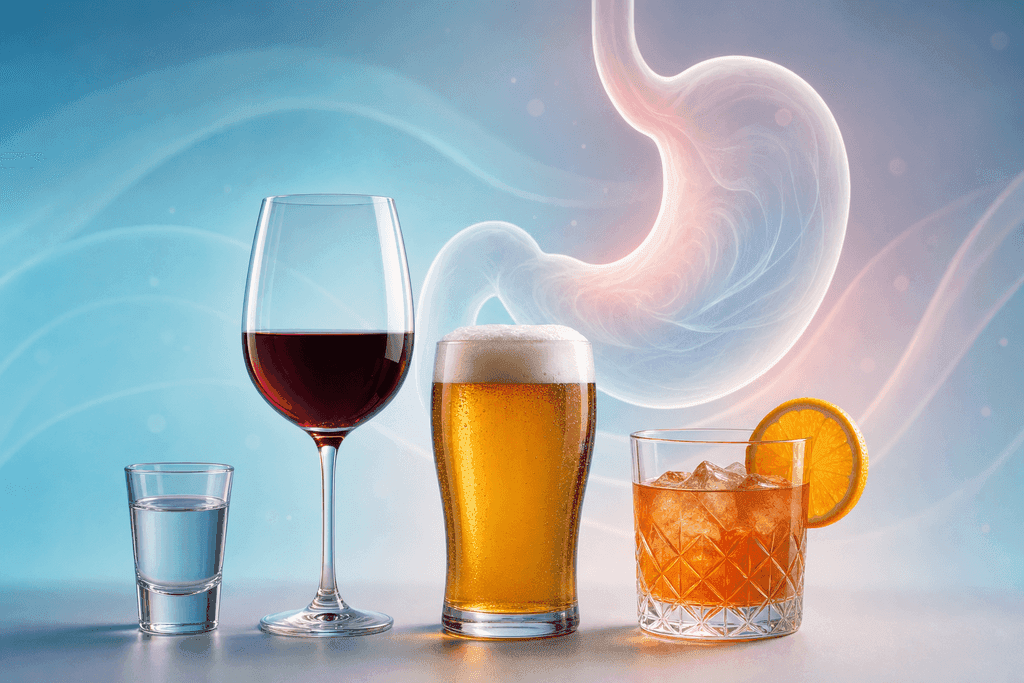
The Truth About Alcohol and Your Stomach Lining
Alcohol strips away the protective mucus layer in your stomach within minutes of your first sip, leaving the tissue underneath exposed to acid that can worsen existing ulcers or create new ones. If you're dealing with stomach pain or a diagnosed ulcer, you've probably wondered which alcohol is good for ulcers or at least causes less damage when you do choose to drink. The short answer is more nuanced than you might expect, and understanding how different drinks affect your stomach lining can help you make choices that don't set back your healing.
How Ulcers Form and Why Alcohol Matters
Your stomach produces enough acid to dissolve metal, yet somehow your stomach lining stays intact. This happens because your body creates a thick layer of protective mucus that acts like a shield between the acid and your stomach wall. When this shield breaks down, the acid starts eating away at the tissue underneath, creating painful sores called ulcers. The balance between stomach acid and protective mucus is delicate, and alcohol throws this balance completely off track.
The Stomach Protection System
Think of your stomach lining like a castle wall with a moat. The mucus layer is the moat, and the cells underneath are the wall. When everything works right, nothing gets through to damage the wall.
Mucus cells constantly produce a thick, gel-like coating
This coating neutralizes acid before it touches stomach tissue
Blood flow brings nutrients to keep the lining healthy
Special cells repair any small damage quickly
Alcohol disrupts every part of this system. It thins out the mucus layer and reduces blood flow to the stomach lining. Even moderate drinking can weaken your stomach's natural defenses, making it easier for acid to cause damage.
Common Ulcer Triggers
Most ulcers don't come from just one cause. They usually develop when multiple factors team up against your stomach lining.
Trigger | How It Damages | Prevalence |
|---|---|---|
H. pylori bacteria | Weakens mucus layer | 60% of ulcers |
NSAIDs | Blocks protective chemicals | 25% of ulcers |
Alcohol | Increases acid, thins mucus | Worsens existing damage |
Smoking | Reduces blood flow | Slows healing |
According to research on how alcohol affects ulcers, drinking doesn't usually cause ulcers by itself, but it makes existing problems much worse.
Why Healing Matters
Once you have an ulcer, your body wants to heal it. But alcohol keeps interrupting the repair process, kind of like picking at a scab.
Alcohol increases stomach acid production by up to 50%
It reduces the stomach's ability to make new mucus
Blood vessels constrict, limiting nutrient delivery to damaged areas
The type of alcohol you drink matters less than the amount and frequency. At Jadewell, our Custom Formula approach looks at your whole pattern of symptoms, including digestive issues, to support your body's natural healing processes through personalized herbal blends. Traditional Chinese Medicine has addressed stomach imbalances for thousands of years by treating the root pattern rather than just managing symptoms.
Beer and Wine: Lower Alcohol, Higher Acidity
When you're dealing with an ulcer, you might think reaching for a beer or glass of wine instead of hard liquor is the safer choice. The lower alcohol content seems like it would be gentler on your stomach. But the relationship between these drinks and your stomach lining is more complicated than the percentage on the label suggests.
Beer actually stimulates gastric acid production more than other alcoholic drinks, which is the opposite of what most people expect. The fermentation process creates compounds that tell your stomach to make more acid, and that acid goes straight to work on already damaged tissue. Wine brings its own problems to the table.
The acidity in wine can directly irritate your stomach lining, especially if it's already inflamed or damaged from an ulcer. White wine tends to be more acidic than red, but red wine contains tannins that may increase irritation in a different way. Those tannins are the same compounds that make your mouth feel dry when you drink red wine, and they can have a similar effect on your stomach.
Drink Type | Alcohol Content | Acidity Level | Irritation Potential |
|---|---|---|---|
Beer | 4-6% | Medium | High (acid stimulation) |
White Wine | 10-13% | High | High (direct acidity) |
Red Wine | 12-15% | Medium-High | High (tannins + acid) |
Here's what catches people off guard: lower alcohol content doesn't always mean less irritation. A 5% beer can cause more stomach problems than a shot of vodka for some people, depending on how their body responds to the other compounds in the drink. Research shows that alcohol affects ulcer healing in multiple ways beyond just the ethanol content.
Clear Spirits and Mixed Drinks: What to Know
Clear spirits like vodka and gin have a reputation for being "cleaner" drinks, and there's actually some truth to that when it comes to stomach irritation. They contain fewer congeners, which are the byproducts of fermentation that give darker spirits their color and flavor. These congeners can increase acid production and make ulcer symptoms worse.
Vodka and gin are generally less irritating than darker spirits like whiskey or bourbon, but that doesn't make them safe for ulcers. The higher alcohol content in spirits means more direct damage to your stomach lining, even without the extra compounds. Whiskey and bourbon bring additional problems because they contain compounds that specifically trigger acid production.
Clear spirits have higher alcohol content (40% or more) but fewer irritating compounds
Dark spirits contain congeners that increase stomach acid
Straight spirits may actually be less irritating than mixed drinks
Carbonation in mixers adds gas and pressure to an already sensitive stomach
Sugar in mixers can feed bacteria and increase inflammation
The mixer you choose often causes more problems than the alcohol itself. Sugary mixers and carbonation add to stomach irritation in ways that can make symptoms flare even hours after drinking. Tonic water, cola, and juice all bring their own issues. A vodka soda might seem harmless, but the carbonation can increase pressure in your stomach and push acid into damaged areas.
If you're going to drink despite having an ulcer, straight spirits in very small amounts tend to cause less immediate irritation than mixed drinks. But that's like saying one type of sandpaper is gentler than another. You're still causing damage.
The Real Answer: No Alcohol Is Good for Ulcers
There's no way around this: all alcohol delays ulcer healing by affecting the stomach lining. When you search for "which alcohol is good for ulcers," you're really asking which option does the least damage. The honest answer is that even the "best" choice is still working against your body's ability to repair itself. Alcohol thins the protective mucus layer in your stomach, reduces blood flow to the area, and interferes with the cells that rebuild damaged tissue.
Studies on alcohol and ulcer formation show that even small amounts can trigger symptoms in people with sensitive stomachs. Your tolerance depends on where your ulcer is located, how severe it is, and how your individual body processes alcohol. Some people can have a single glass of wine without immediate pain, while others feel burning after a few sips.
Key Statistics:
Alcohol can delay ulcer healing by 30-50% compared to abstinence
Even moderate drinking (1-2 drinks per day) increases ulcer recurrence risk
Symptoms may appear 2-6 hours after drinking, not immediately
Timing matters as much as type when it comes to irritation. Drinking on an empty stomach sends alcohol directly to your ulcer with nothing to buffer it. Food in your stomach provides some protection by slowing absorption and diluting the alcohol, but it doesn't eliminate the risk. The alcohol still reaches your stomach lining eventually.
In Chinese Herbal Medicine, we look at digestive issues as patterns that involve the whole system, not just the damaged tissue. When your stomach lining is compromised, your body is already working hard to rebuild and protect. Adding alcohol to that situation is like asking someone to fix a roof while you're still pouring water through the hole. At Jadewell, our formulas work with your body's natural healing patterns to support the stomach and spleen systems, but they work best when you're not actively introducing irritants.
Individual tolerance varies based on ulcer severity and location, but the pattern is consistent: alcohol interferes with healing. If you're dealing with chronic digestive issues that haven't responded to conventional approaches, it might be time to look at what's supporting your body's repair process rather than just managing symptoms.
What Chinese Herbal Medicine Observes About Digestion
Traditional Chinese Medicine has been studying digestive health for thousands of years, and its observations about stomach irritation offer a different lens than Western medicine. Instead of focusing solely on bacteria or acid levels, Chinese Herbal Medicine looks at the body's underlying patterns. When someone develops an ulcer, practitioners see it as a sign that the stomach's natural protective functions have weakened. This perspective helps explain why some people can drink alcohol without issues while others develop serious problems, even when consuming similar amounts.
The traditional view categorizes digestive problems into distinct patterns. Each pattern requires a different approach to healing, which is why a one-size-fits-all solution rarely works for chronic stomach issues.
Common Digestive Patterns in Chinese Medicine
Heat patterns show up as burning sensations, inflammation, and irritation in the stomach lining
Dampness patterns create a heavy, bloated feeling with poor digestion
Deficiency patterns involve weakness in the stomach's protective barrier
Combined patterns mix multiple issues, which is actually quite common
Alcohol creates problems because it's considered both heating and drying to the digestive system. When you're wondering which alcohol is good for ulcers, the traditional answer would be that none are ideal. But the real issue isn't just the alcohol itself. It's how alcohol interacts with your existing pattern.
How Pattern Recognition Changes Treatment
Someone with heat patterns needs cooling, soothing herbs to calm inflammation
Deficiency patterns require strengthening herbs to rebuild the stomach's protective function
Mixed patterns need carefully balanced formulas that address multiple issues
This is where Jadewell's approach differs from buying random supplements online. Our Signature Formula uses a detailed quiz to identify your specific pattern, then matches you with a classical formula that's been used for centuries. A licensed herbalist reviews everything to make sure it fits your situation. For more complex cases, the Custom Formula gets adjusted monthly as your pattern shifts and improves.
The goal isn't just to reduce symptoms temporarily. It's about strengthening your digestive system so it can handle normal challenges again, whether that's spicy food, stress, or the occasional drink.
Making Choices That Support Your Healing
The truth is, no alcohol is actually good for ulcers. But if you're going to drink while your digestive system heals, some choices are less harsh than others. Clear spirits like vodka or gin mixed with non-acidic options like coconut water tend to irritate less than beer, wine, or dark liquors. The real key isn't just what you drink, though.
How much and how often you drink matters more than the type. Even the gentlest option can slow healing if you're drinking regularly or in large amounts.
Your digestive system needs support from multiple angles when it's trying to repair itself. That means looking at what you eat, how you manage stress, and whether your body's underlying patterns are being addressed. Chinese Herbal Medicine works by identifying the specific pattern behind your symptoms, not just treating the ulcer itself. Our Signature Formula matches herbs to your unique digestive pattern after you complete a quiz reviewed by a licensed herbalist.
The question isn't really which alcohol is good for ulcers. It's how you can support your body's ability to heal while making realistic choices about your life. Sometimes that means cutting out alcohol completely for a while. Sometimes it means being more strategic about when and what you drink.
But healing often requires more than just avoiding irritants.
Common Questions About Alcohol and Ulcers
When you're dealing with an ulcer, the questions about what you can and can't drink pile up fast. Most people want to know if there's a safe way to enjoy alcohol without making things worse. These are the questions we hear most often from people trying to figure out which alcohol is good for ulcers and how to protect their digestive system while healing.
Which alcohol is least irritating to ulcers?
No alcohol is truly "good" for ulcers, but if you're going to drink, clear spirits like vodka or gin mixed with non-acidic mixers are generally less irritating than beer, wine, or dark liquors. The lower the alcohol content and the less acidic the drink, the better. That said, even the mildest option still increases stomach acid and slows healing.
Can I drink alcohol if I have an active ulcer?
Drinking with an active ulcer is a bad idea, plain and simple. Alcohol directly irritates the stomach lining, increases acid production, and can interfere with medications you're taking to heal the ulcer. Most doctors recommend complete abstinence until the ulcer has fully healed, which typically takes several weeks to a few months depending on severity.
How long should I avoid alcohol after an ulcer diagnosis?
You should avoid alcohol for at least 4 to 8 weeks after diagnosis, or until your doctor confirms the ulcer has healed. Some people need longer, especially if they had a severe ulcer or complications. Once you get the all-clear, reintroducing alcohol should be gradual and moderate.
Does drinking with food make a difference?
Yes, drinking on a full stomach does reduce some irritation because food acts as a buffer between alcohol and your stomach lining. However, this doesn't make drinking safe if you have an ulcer. It just means the damage might be slightly less severe than drinking on an empty stomach.
Can Chinese herbal medicine help with ulcer symptoms?
Chinese Herbal Medicine takes a different approach by addressing the underlying patterns that contribute to digestive issues rather than just masking symptoms. Jadewell's Custom Formula is reviewed by licensed herbalists who can create personalized blends to support digestive healing and reduce inflammation. Many people use herbal support alongside conventional treatment to help their stomach lining repair itself more effectively.
What should I avoid besides alcohol?
Beyond alcohol, you'll want to limit or avoid:
Spicy foods and hot peppers
Coffee and caffeinated beverages
Acidic foods like citrus and tomatoes
NSAIDs like ibuprofen and aspirin
Smoking and tobacco products
These all irritate the stomach lining and slow down healing, just like alcohol does.