Telemedicine for Chronic Conditions: Your Complete Guide (MA Residents)
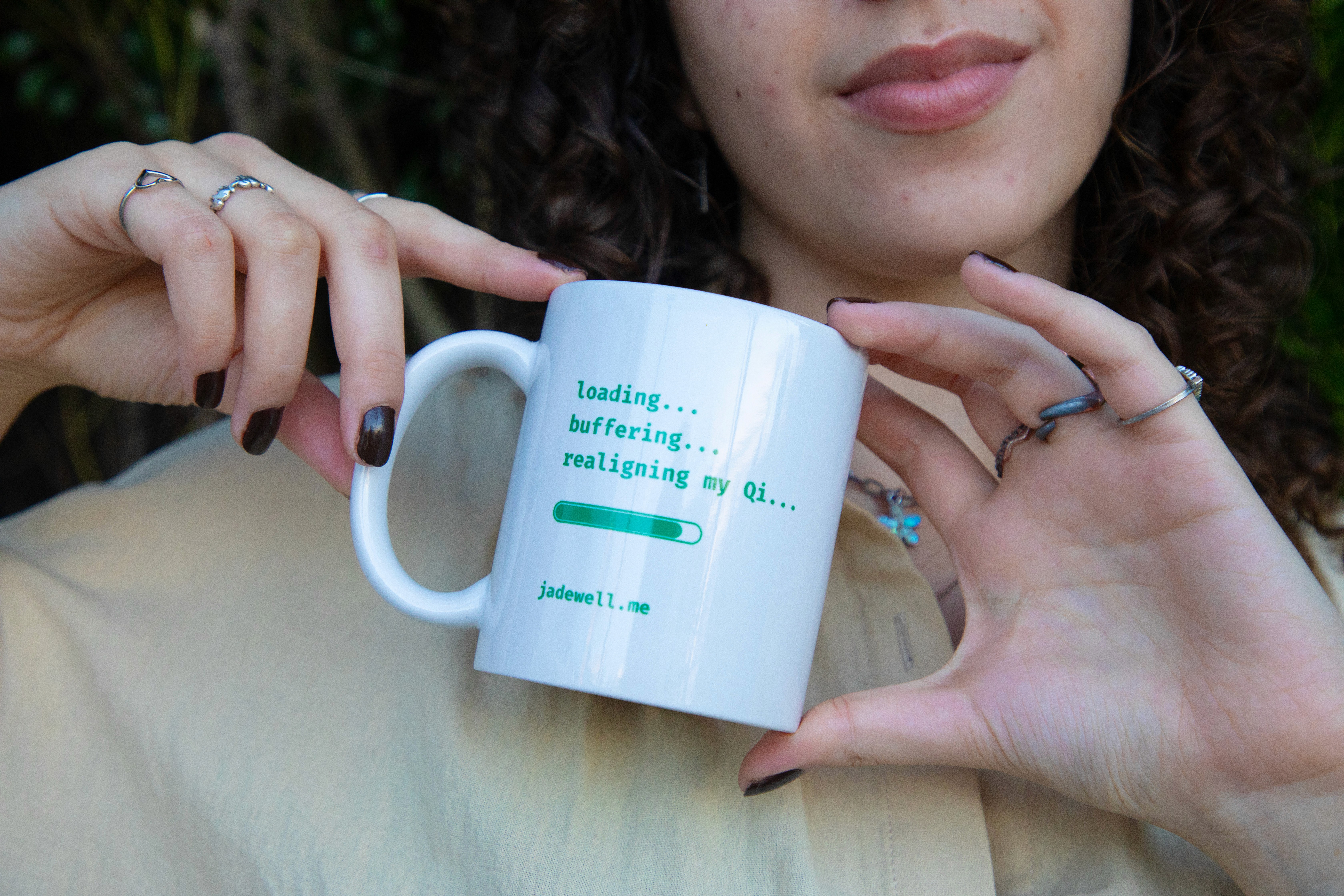
Managing a chronic condition means endless doctor appointments. Sitting in waiting rooms when you're already exhausted or in pain. Driving across town for 15-minute check-ins that barely scratch the surface of what's wrong.
Traditional Chinese Medicine has always excelled at treating chronic conditions. But finding a qualified TCM practitioner in Massachusetts used to mean living near Boston or Cambridge, or settling for whoever was closest regardless of their specialty.
Telemedicine changed that. Now Massachusetts residents anywhere in the state can access specialized TCM practitioners who focus specifically on chronic pain, fatigue, women's health, and other ongoing conditions.
Here's what you need to know about getting Traditional Chinese Medicine care via telehealth.
Why TCM Works Especially Well via Telemedicine
Unlike Western medicine appointments that often require physical examination, imaging, or procedures, Traditional Chinese Medicine relies primarily on detailed conversation, symptom tracking, and visual assessment.
Your TCM practitioner needs to understand:
Your complete symptom picture (not just the main complaint)
How symptoms change throughout the day, week, or menstrual cycle
Your sleep quality, digestion, stress levels, and energy patterns
Visual assessment of your tongue
How your pulse feels (though some practitioners adapt this for telehealth)
Most of this translates perfectly to video appointments. You can show your tongue clearly on camera. Detailed symptom discussion actually works better over video when you have notes in front of you and aren't rushed in a waiting room.
A 2023 study published in the Journal of Medical Internet Research found that telehealth visits for chronic disease management had similar or better health outcomes compared to in-person visits, with significantly higher patient satisfaction rates.
What Chronic Conditions Respond Well to TCM Telemedicine?
Chronic Pain
TCM views pain differently than Western medicine. Instead of just suppressing pain signals, TCM identifies whether your pain comes from stagnation, inflammation, deficiency, or cold patterns. Each requires different herbal treatment.
Conditions TCM treats effectively via telemedicine:
Chronic back pain and sciatica
Fibromyalgia and widespread pain
Arthritis and joint pain
Migraines and tension headaches
Endometriosis pain
Neuropathic pain
Your practitioner tracks pain patterns, intensity, and triggers through regular video check-ins. Your herbal formula adjusts based on what's improving and what still needs work. The herbs get delivered to your door.
Chronic Fatigue
Western medicine often finds "nothing wrong" with bloodwork while you're too exhausted to function. TCM recognizes different fatigue patterns: Qi deficiency, Blood deficiency, Yin deficiency, Yang deficiency. Each shows different symptoms and needs different herbs.
TCM addresses:
Chronic Fatigue Syndrome (ME/CFS)
Post-viral fatigue (including long COVID)
Adrenal fatigue and burnout
Fatigue from autoimmune conditions
Hormonal fatigue (thyroid, perimenopause)
Energy crashes and afternoon slumps
Telemedicine works particularly well for fatigue because traveling to appointments when you're exhausted is brutal. Video calls from your couch mean you can access specialized care without draining what little energy you have.
Women's Health and Hormonal Issues
TCM has specialized in women's health for over 2,000 years. Hormonal conditions respond especially well because TCM tracks symptoms throughout your cycle and adjusts formulas accordingly.
Conditions treated via TCM telemedicine:
Perimenopause and menopause symptoms
Irregular or painful periods
PCOS and endometriosis
Fertility support (preparing for conception or enhancing IVF)
PMS and PMDD
Postpartum recovery
Your practitioner reviews your menstrual tracking, symptom patterns, and cycle changes via video. For women trying to conceive or going through IVF, telemedicine allows more frequent check-ins during critical timing without the logistical burden.
Mood Disorders
TCM recognizes that anxiety and depression aren't just "in your head." They involve your entire nervous system, sleep quality, digestive function, and stress response.
Research supports this approach. A 2024 systematic review found that telemedicine significantly improved treatment adherence for chronic conditions, including mental health issues.
TCM supports (alongside psychiatric care):
Generalized anxiety disorder
Depression (as complementary support)
Panic disorder
Stress-related issues and burnout
Insomnia and sleep disorders
Medication side effects from psychiatric drugs
How TCM Telemedicine Actually Works
Your First Appointment (30 minutes)
Unlike rushed conventional appointments, initial TCM consultations take real time. Your practitioner needs to understand your complete health picture.
What happens:
Detailed discussion of your primary complaint and complete symptom picture
Medical history, current medications, what you've already tried
Sleep quality, digestion, stress levels, energy patterns
For women: complete menstrual history and cycle tracking
Tongue assessment (you show your tongue on camera)
Discussion of your TCM pattern and treatment approach
You're not explaining your symptoms to a different doctor every visit. You're building a relationship with a practitioner who learns your specific patterns.
Custom Herbal Formulas Delivered to Your Door
Based on your assessment, your NCCAOM-licensed practitioner creates a personalized herbal formula. Not a generic "fatigue formula" or "menopause blend" from a health food store. Your specific formula for your specific pattern.
What makes TCM formulas different:
8-15 herbs working synergistically (not single-ingredient supplements)
Customized to your pattern (two people with fatigue get different formulas)
Adjusts as you improve (your needs change, so should your formula)
Third-party tested, cGMP-certified quality
Usually taken as pills (convenient, no brewing tea)
Your herbs ship directly to your home. No picking up prescriptions or driving to specialty pharmacies.
Regular Check-Ins and Formula Adjustments
Chronic conditions change. Symptoms shift. What worked last month might need tweaking this month.
Ongoing care includes:
Video check-ins
Symptom tracking between appointments
Formula adjustments based on your progress
Unlimited messaging for questions (no waiting weeks for guidance)
Coordination with your other healthcare providers when needed
Why Telemedicine Actually Improves TCM Treatment
More Frequent Touchpoints
In-person TCM appointments often happen monthly because of travel burden. Telemedicine allows check-ins every 2-3 weeks without the commute.
For chronic conditions that fluctuate (pain flares, hormone cycles, fatigue that waxes and wanes), more frequent monitoring means faster formula adjustments and better outcomes.
Better Symptom Tracking
When you're not rushing to appointments, you can prepare. Track your symptoms for a week. Notice patterns you'd forget in a waiting room. Bring organized notes to your video call.
Many patients find they communicate more clearly from home than in a clinical setting. You're in a comfortable space where you can think clearly and reference your notes.
Access to Specialized Practitioners
Massachusetts has excellent TCM practitioners, but they're concentrated in Boston and Cambridge. If you live in Worcester, Springfield, Framingham, or anywhere west of Boston, your options shrink dramatically.
Telemedicine means you can work with practitioners who specialize in your specific condition, regardless of where you live. Someone in Western Mass can access the same women's health specialist in Cambridge as someone in Somerville.
Continuity During Flares
Chronic pain flares. Fatigue crashes. Perimenopause symptoms fluctuate wildly. Some days you can't leave the house.
With in-person appointments, bad symptom days mean canceling and waiting weeks for the next available slot. With telemedicine, you keep your appointment even on your worst days. Your care continues regardless of symptom severity.
Massachusetts-Specific Considerations for TCM Telemedicine
Licensing and Credentials
Your TCM practitioner must be licensed to practice in Massachusetts. Always verify:
Massachusetts state licensure
NCCAOM (National Certification Commission for Acupuncture and Oriental Medicine) certification
Specialized training in your specific condition
At Jadewell, all practitioners are NCCAOM board-certified and licensed to practice telemedicine in Massachusetts.
Insurance and Payment
Most insurance doesn't cover Chinese Herbal Medicine (though some cover acupuncture). However, TCM consultations and herbal formulas typically qualify for HSA/FSA reimbursement.
Many patients find TCM more affordable than expected because:
No insurance claim delays or denials
Transparent pricing (you know costs upfront)
Custom formulas often cost less than buying multiple supplements
HSA/FSA eligibility reduces out-of-pocket costs
Coordination With Conventional Care
Good TCM practitioners work alongside your other doctors, not instead of them.
TCM complements:
Your primary care physician
Specialists (rheumatologist, endocrinologist, OB/GYN)
Physical therapy
Mental health treatment
Pain management programs
Your TCM practitioner can communicate with your other providers to ensure coordinated care. They check for herb-drug interactions and adjust treatment based on your complete medical picture.
How to Get Started With TCM Telemedicine in Massachusetts
Step 1: Identify Your Primary Concern
Be specific. "Feel better" is vague. "Reduce hot flashes enough to sleep through the night" or "have energy to work without afternoon crashes" gives your practitioner concrete goals.
Step 2: Schedule a Free Discovery Call
Most TCM telemedicine platforms offer brief intro calls to assess whether TCM is right for your situation. This is your chance to ask:
Does your practitioner have experience with my specific condition?
What's the expected timeline for improvement?
How does treatment work alongside my current care?
What are the costs and payment options?
At Jadewell, discovery calls are 15 minutes and completely free. No pressure, just honest conversation about whether we can help.
Step 3: Prepare for Your First Full Appointment
Bring to your initial consultation:
Complete list of current medications and supplements
Medical history and diagnoses
What you've already tried for your condition
Symptom tracking (ideally a week's worth of notes)
Questions about treatment approach
Step 4: Commit to the Process
TCM isn't a quick fix. Chronic conditions developed over months or years. Rebalancing your body takes time.
Realistic timelines:
Initial improvements: 2-4 weeks
Significant changes: 6-8 weeks
Full rebalancing: 3-6 months
The patients who see the best results are those who:
Take herbs consistently as prescribed
Attend regular check-ins
Track symptoms between appointments
Give treatment adequate time to work
Communicate openly about what's changing
Real Results From Massachusetts Patients
Sarah, Cambridge - Chronic Fatigue: "I was too exhausted to drive to Boston for appointments. Telemedicine meant I could see a TCM specialist during my lunch break. Three months in, I have my energy back."
Jennifer, Framingham - Perimenopause: "Hot flashes were ruining my sleep. My practitioner adjusted my formula based on my cycle tracking. Six weeks later, I'm sleeping through most nights."
Michael, Worcester - Chronic Pain: "Physical therapy helped but didn't fully resolve my back pain. Adding TCM herbs addressed the inflammation my PT couldn't reach. Now my pain is manageable without injections."
The Bottom Line
Traditional Chinese Medicine has always excelled at treating chronic conditions. Telemedicine makes specialized TCM care accessible to every Massachusetts resident, regardless of location.
If you're dealing with chronic pain, persistent fatigue, hormonal chaos, or mood issues that conventional medicine hasn't fully resolved, TCM offers a different approach. Not by replacing your current care, but by addressing patterns and imbalances Western medicine often misses.
And now you can access that care from your couch.
Ready to see if TCM telemedicine is right for your chronic condition? Schedule a free discovery call with Jadewell. We'll discuss your specific situation and whether Traditional Chinese Medicine can help.